Prepare your garden for drought with professional gardeners tips
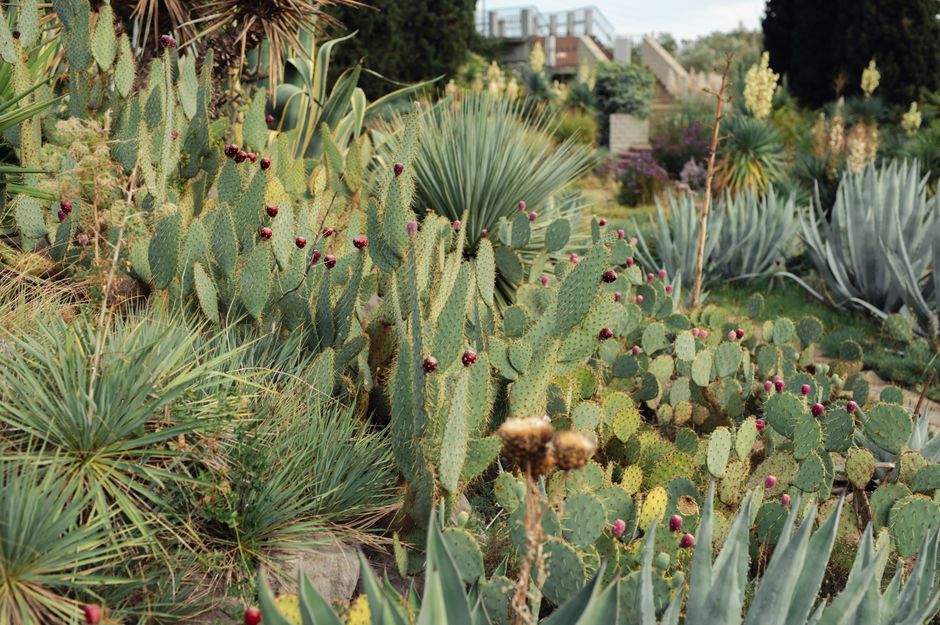
Dry spells can turn a lovely garden into a stressful one fast. One week the lawn is green, the next the borders are drooping, the soil is cracking, and you are standing there with a hose wondering if you are helping or just making the water bill worse. Prepare your garden for drought with professional gardeners tips, and you can stay ahead of that panic.
This guide walks you through what really works in a British garden, from soil preparation and plant choice to watering, mulching, and simple maintenance habits that make a surprising difference. It is written for people who want practical steps, not fluffy advice. And if you already have a decent garden but want it to survive a hot, dry spell with less fuss, you are in the right place.
To be fair, drought-proofing is not about making a garden invincible. Nothing is. It is about reducing stress, using water better, and helping plants cope with less. That is where professional gardeners tend to think differently: they plan for conditions, not just appearances.
Why Prepare your garden for drought with professional gardeners tips Matters
Drought stress shows up in small ways first. Leaves curl. Fresh growth stalls. Borders look tired by lunchtime. The soil surface turns dusty and hydrophobic, which means it starts to repel water instead of soaking it in. If you wait until everything is visibly suffering, you are already behind.
Professional gardeners tend to prepare early because timing matters more than effort. A well-timed mulch, a proper deep watering, or a pruning decision made in spring can carry a plant through weeks of heat later on. Miss that window, and you may spend the rest of summer playing catch-up.
There is also a design angle people often overlook. A drought-ready garden is usually easier to maintain overall. It needs fewer emergency fixes, fewer replacements, and less constant attention. In London and the surrounding areas, where weather can swing from wet to bone-dry in a short span, that kind of resilience is worth a lot.
You are not just trying to keep things alive. You are trying to keep the garden functioning.
How Prepare your garden for drought with professional gardeners tips Works
Drought preparation works by reducing water loss, improving the soil's ability to hold moisture, and matching plants to conditions they can actually handle. That sounds simple, but each part matters.
First, you improve the soil. Healthy soil with organic matter behaves like a sponge. It takes in water more evenly and stores more of it around the roots. Poor soil, especially compacted or sandy patches, loses water quickly or lets it run straight through.
Second, you reduce evaporation. Mulch is the classic example here. A layer of bark, compost, leaf mould, or similar material helps shade the soil and keep moisture in place. It also keeps roots cooler, which makes a real difference on hot afternoons when the air feels dry and still.
Third, you adjust watering habits. Short, frequent watering encourages shallow roots, which are the first to struggle in drought. Deep, less frequent watering encourages roots to grow down where the moisture lasts longer. That one habit alone can change how plants behave in dry weather.
Finally, you make sensible choices about planting and maintenance. Some plants are thirsty by nature. Others are tough, lower-maintenance, and happier in drier conditions. A professional gardener will often mix these strategically rather than trying to force every bed to behave the same way.
Key Benefits and Practical Advantages
The most obvious benefit is plant survival, but the advantages go further than that. A garden that has been prepared for drought usually looks better for longer, even when the weather turns awkward.
- Less water waste: Water reaches the root zone more effectively, so you use less overall.
- Healthier roots: Plants become more resilient when roots grow deeper and stronger.
- Reduced scorch and wilting: Shaded soil and better watering routines lower stress.
- Lower maintenance pressure: You spend less time rescuing plants that are on the edge.
- Better long-term garden value: Replacing dead plants repeatedly gets expensive, quickly.
- Cleaner, tidier beds: Mulched borders often look more finished, even in difficult weather.
There is a quieter benefit too: peace of mind. Truth be told, a lot of garden stress comes from uncertainty. If you have a drought plan, you are not making decisions in a rush during the hottest week of the year. That alone is worth something.
Practical takeaway: drought preparation is not one big job. It is a series of small, well-timed changes that stack up over weeks and months.
Who This Is For and When It Makes Sense
This approach makes sense for almost any garden, but especially if you have one of the following:
- a newly planted garden that has not established deep roots yet
- lawns that brown off quickly in warm weather
- border plants that collapse after a few dry days
- raised beds or containers, which dry out faster than ground soil
- south-facing gardens with full sun for much of the day
- sandy or shallow soil that does not hold moisture well
- busy households that cannot water every day
It also makes sense if you are planning a redesign. If you are already thinking about garden maintenance or broader garden services, drought resilience should be part of the conversation from the beginning rather than a patch-up job later on.
When is the best time to start? Ideally before summer hits. Spring is brilliant for preparation, but even a late-season reset can help. If you are in a rush, prioritise soil, mulch, and watering habits first. They give the quickest return.
Step-by-Step Guidance
1. Assess the garden honestly
Walk around your garden and notice where the sun lands, where water disappears fast, and which plants always seem to struggle. Look for dry corners near fences, paved areas that radiate heat, and containers that dry out by mid-afternoon. A short afternoon check tells you more than a rushed morning glance.
Ask yourself: which plants are genuinely valuable, and which are taking more effort than they are worth? That question sounds blunt, but it helps. Some plants simply are not suited to your soil or exposure.
2. Improve the soil structure
Work in organic matter where possible. Compost, well-rotted manure, and leaf mould can help soil retain moisture and feed roots at the same time. If the soil is compacted, gently aerate it rather than repeatedly treading it down. Professional gardeners are often careful here; over-digging can do more harm than good in an established bed.
If you are dealing with a larger reset, a local gardener or local gardener can help judge whether your beds need light cultivation, a mulch top-up, or a more serious soil improvement plan.
3. Mulch properly
Mulch is one of the simplest drought tools and one of the most underused. Apply it in a layer thick enough to shade the soil, but not so thick that it smothers stems or traps too much moisture against the plant crown. Keep a little gap around the base of woody plants.
Organic mulch breaks down over time, which is good. It adds structure and improves the soil gradually. A yearly top-up is usually better than a one-off heavy layer that never gets refreshed.
4. Rework your watering routine
Water deeply and less often, preferably early in the morning. That gives water time to soak in before the sun gets to work. Evening watering can also be useful, though foliage left wet overnight may encourage some disease in certain conditions. If you have to choose, morning is the cleaner option for most gardens.
For lawns, borders, and hedges, each area needs a slightly different approach. A hedge may cope with a soaking once in a while, while containers may need more frequent attention. Don't treat every plant like it has the same thirst. They don't.
5. Choose drought-tolerant plants and replace weak performers
You do not need to rip everything out. Start with future replacements. If a plant repeatedly fails in heat, replace it with a better-matched alternative next season. Choose plants that suit your soil, aspect, and maintenance level. This is where professional gardeners save a lot of time for clients: they match the plant to the site rather than the other way around.
For more structural changes, services like garden landscapers or landscaping can help rework beds, paths, and planting zones so the whole garden performs better in dry weather.
6. Reduce competition and stress
Weeds steal water, light, and nutrients. So do overcrowded plants. Thin out congested areas, remove dead material, and cut back growth that is shading or crowding more valuable plants. A little breathing space helps roots and airflow alike.
That does not mean stripping the garden bare. It means making smart room. There is a difference, and it matters.
7. Protect containers and young plants
Containers dry out much faster than in-ground beds. Group pots together to reduce exposure, use larger pots where possible, and choose compost that retains moisture without turning soggy. Newly planted shrubs and trees need extra care during establishment, because their root systems are not deep enough yet to ride out long dry periods.
Expert Tips for Better Results
Here is where the professional stuff comes in. These are the small decisions that often make the biggest difference.
- Water less, but properly. A quick splash rarely reaches the root zone. Give the soil time to absorb water slowly.
- Use hose time wisely. Focus on new plants, shallow-rooted specimens, and containers before mature, established shrubs.
- Prefer root-zone watering. Wetting the soil matters more than spraying leaves in hot weather.
- Watch for hydrophobic soil. If water beads and runs off, the soil may need repeated light soaking to re-wet properly.
- Keep clippings and shredded leaves where useful. In the right place, they can act like a light mulch. Messy? A bit. Effective? Also yes.
- Prune carefully. Excessive pruning can stimulate weak, thirsty growth. Trim only what helps the plant conserve energy or stay healthy.
One slightly old-school tip still works well: step outside at dusk and inspect the garden quietly. You can often see which plants are stressed by the way their leaves hang or their colour dulls in the evening light. It is a tiny habit, but very revealing.
If your garden has trees or large shrubs creating heavy shade, ask whether the canopy is helping or hindering. Sometimes the issue is not drought alone; it is root competition and shade patterns. Services such as tree surgeon or tree cutting service may be relevant where overgrown trees are dominating a dry bed.
Common Mistakes to Avoid
Let's face it, most drought damage comes from a handful of repeat mistakes. Good intentions, poor timing. Happens all the time.
- Watering too often, but too lightly: This keeps roots near the surface and makes plants more vulnerable.
- Leaving bare soil exposed: Bare soil heats up fast and dries out even faster.
- Ignoring containers: Pots can fail almost overnight during hot spells.
- Pruning heavily during stress: A plant under drought pressure does not need a dramatic haircut.
- Using the wrong plants for the site: A thirsty plant in a hot, exposed spot is a routine headache.
- Assuming lawn browning means death: Grass can recover if roots remain healthy, though persistent neglect is another matter.
- Overfeeding during drought: Fertiliser can push soft growth that needs more water than the plant can spare.
Another common one: people see dry soil at the top and water immediately, but never check what is happening underneath. Sometimes the surface is dusty while moisture remains lower down. A finger test, or better yet a small trowel probe, tells you a lot more than guesswork.
Tools, Resources and Recommendations
You do not need a shed full of specialist kit, but a few tools make drought preparation much easier.
| Tool or material | What it helps with | Why it is useful |
|---|---|---|
| Mulch | Moisture retention | Shades soil, reduces evaporation, improves structure over time |
| Watering can or hose with a controllable flow | Targeted watering | Helps you water deeply without waste |
| Spade or hand fork | Light soil improvement | Useful for loosening compacted areas without overworking the soil |
| Secateurs | Light pruning | Allows you to remove dead or weak growth cleanly |
| Wheelbarrow or trug | Moving compost and mulch | Makes bed work quicker and less tiring |
| Moisture meter or simple probe | Checking root-zone dampness | Helps avoid overwatering or under-watering |
For bigger gardens, or for properties that need regular care, it may be worth looking at ongoing gardening services rather than trying to solve everything in one burst of effort. If the lawn is one of the main pressure points, lawn mowing services and grass cutting service support healthier growth by keeping the sward at a sensible height.
And if you are redesigning the space altogether, adding features like gravel, edging, or hardier planting can sit neatly alongside services such as garden decking service or garden fencing where structure and shelter help reduce exposure.
Law, Compliance, Standards and Best Practice
For most home gardens, drought preparation is a matter of good horticultural practice rather than formal compliance. Still, there are a few sensible UK considerations to keep in mind.
If you use water from a hosepipe during dry weather, local restrictions may apply depending on the situation and your supplier's rules. Those restrictions can change, so it is worth checking current guidance when a dry spell starts. Professional gardeners usually plan around that by prioritising mulching, soil improvement, and targeted watering rather than routine blanket spraying.
If work involves larger trees, boundary hedges, or structural changes, it is sensible to check whether any permissions, neighbour agreements, or local constraints may apply. That is especially true in conservation areas or where trees are protected. It is one of those boring bits that saves a lot of grief later. Nobody enjoys a surprise disagreement over a hedge line in the middle of August.
From a safety point of view, reputable gardeners also follow sound working practices around tools, equipment, and water use. If you are hiring help, look for clear information on insurance and safety, and a transparent approach to health and safety policy. If the company explains its pricing clearly, that is a good sign too; a proper pricing and quotes page usually beats vague promises every time.
Options, Methods, or Comparison Table
If you are deciding how to prepare the garden, the best method depends on your space, budget, and how hands-on you want to be. Here is a simple comparison.
| Method | Best for | Pros | Limitations |
|---|---|---|---|
| Mulching only | Quick improvement | Fast, affordable, visible benefits | Does not fix poor plant choice or bad soil alone |
| Soil improvement + mulch | Most borders and beds | Better water retention and root health | Takes more effort upfront |
| Plant replacement with drought-tolerant species | Long-term resilience | Reduced watering needs, lower stress | May require redesign and some upfront cost |
| Full garden redesign | Severely exposed or problem gardens | Best long-term result | Highest cost and planning needed |
In practice, many gardens benefit from a mix of all four. You might mulch immediately, improve soil over one or two seasons, and gradually swap out plants that never really suit the site. That staged approach is usually kinder on both the garden and the budget.
Case Study or Real-World Example
A typical example: a small London back garden with a lawn, two mixed borders, and a few pots by the patio. Every summer the same pattern repeated. The lawn browned off, the border plants drooped, and the pots needed constant watering. Nothing catastrophic, just tired-looking and slightly annoying.
Instead of replacing everything, the gardener made three changes. First, they improved the borders with compost and added a mulch layer. Second, they reduced the number of thirsty annuals and replaced several with tougher perennials better suited to dry conditions. Third, they changed watering from frequent light sprinkles to deeper morning soakings twice a week during hot spells.
The result was not a miracle, and that is the honest bit. The lawn still needed attention during the hottest weather. But the borders held up better, the pots dried out more slowly, and the garden looked steadier through dry periods. Fewer emergencies. Fewer dead patches. Much less faffing, frankly.
If the garden had structural issues as well, such as damaged edging, collapsing beds, or poor drainage around hard surfaces, the next sensible step might have involved broader garden landscapers or even related surface work like patio cleaning to keep the space usable and easier to maintain.
Practical Checklist
Use this checklist before the next dry spell arrives.
- Check which areas of the garden get the most sun and wind.
- Identify plants that regularly struggle in heat.
- Improve soil with compost or other organic matter where needed.
- Add mulch around borders, shrubs, and trees.
- Shift watering to deeper, less frequent sessions.
- Prioritise containers and newly planted specimens.
- Thin overcrowded beds and remove weeds.
- Review whether any plants need replacing with tougher alternatives.
- Inspect hedges and trees for excessive competition or shading.
- Keep an eye on hosepipe restrictions and local guidance during hot weather.
- Set aside time for a quick weekly garden check, even if it is only ten minutes.
Expert summary: if you only do three things, do these: improve the soil, mulch properly, and water deeply rather than often. That trio gives the best return for most gardens.
Conclusion
Preparing a garden for drought is not about fighting nature. It is about working with it, a little more intelligently. The best professional gardeners do not just react when things look stressed; they build resilience into the garden before the dry spell gets serious.
Once you start thinking that way, the whole job becomes simpler. The soil holds moisture better. Plants settle more comfortably. You waste less water, and you spend less time trying to rescue the same tired borders over and over again. That is the real win.
If your garden has been struggling through recent summers, start with the basics and build from there. One small improvement, then another. It adds up faster than you might expect.
Get a free quote today and see how much you can save.
And if you keep going steadily, your garden can come through dry weather looking calmer, stronger, and a bit more like itself again. Which, let's be honest, is what most of us want.
Frequently Asked Questions
What is the first thing I should do to prepare my garden for drought?
Start by improving the soil and adding mulch. Those two steps help the ground hold moisture longer and reduce evaporation, which gives plants a much better chance during dry weather.
How often should I water during a drought?
It depends on the plant type, soil, and weather, but deep watering less often is usually better than light watering every day. Early morning is generally the best time because water can soak in before the heat builds.
Is mulching really worth it?
Yes, very much so. Mulch helps keep the soil cooler, slows water loss, and can improve soil structure over time. It is one of the most effective low-effort drought-preparation steps.
Which plants cope best with dry weather?
Plants suited to your soil and aspect tend to cope best, especially those known for lower water needs. A professional gardener will usually match plant choice to the site rather than forcing a plant into the wrong place.
Can my lawn survive a drought?
Often, yes. Many lawns go brown and dormant in dry weather rather than dying straight away. Once rainfall returns, a healthy lawn can recover, though repeated stress can weaken it over time.
Should I prune plants before a heatwave?
Only lightly, if at all. Heavy pruning can trigger new growth that needs more water. Remove dead, damaged, or overcrowded material, but avoid major cuts during active drought stress.
What is the biggest mistake people make in dry weather?
Probably watering too often but too shallowly. That encourages roots to stay near the surface, where they dry out faster. It feels helpful, but it usually works against the plant.
Do containers need a different drought plan?
Yes. Pots dry out much faster than garden beds, so they need closer monitoring, larger containers where possible, and moisture-retaining compost or mulch on the surface.
When should I replace thirsty plants?
Replace them when they repeatedly fail despite good care and sensible watering. If a plant never seems happy in your garden, it is usually a site match issue, not a care issue.
Are there any rules about watering during a drought in the UK?
There can be hosepipe restrictions during dry periods, depending on your local water supplier and conditions. These rules change, so it is wise to check current guidance when the weather turns dry.
Do I need a professional gardener, or can I do this myself?
You can handle many of the basics yourself, especially mulching, watering changes, and simple plant selection. If the garden is large, badly stressed, or in need of redesign, professional help can save time and avoid costly mistakes.
What services help most with drought preparation?
Garden maintenance, garden landscaping, soil improvement, hedge care, and careful planting changes are usually the most useful. If the space needs more than a light tidy-up, a broader gardening service can make a real difference.